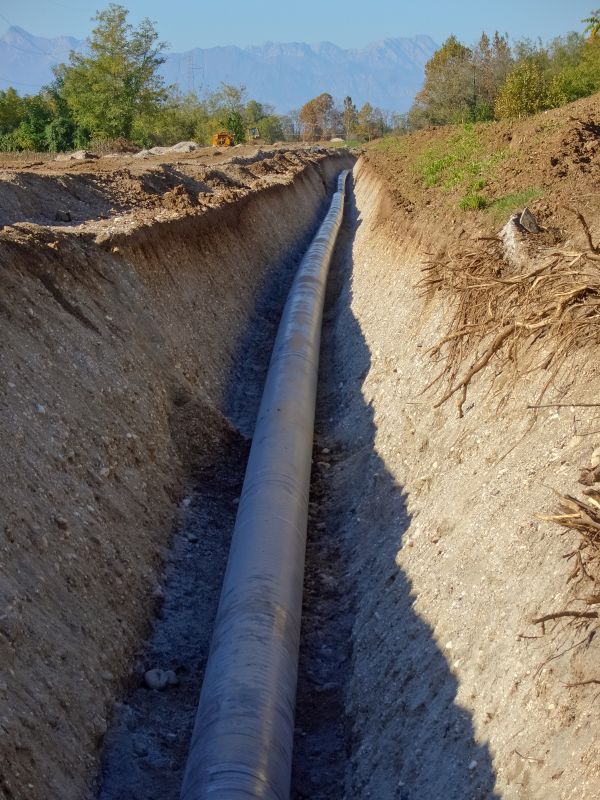
Trench Installation in Atlanta, GA
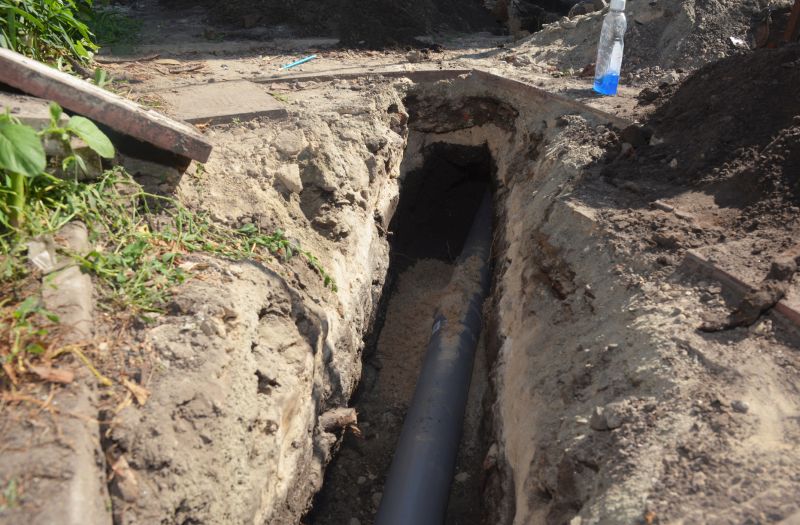
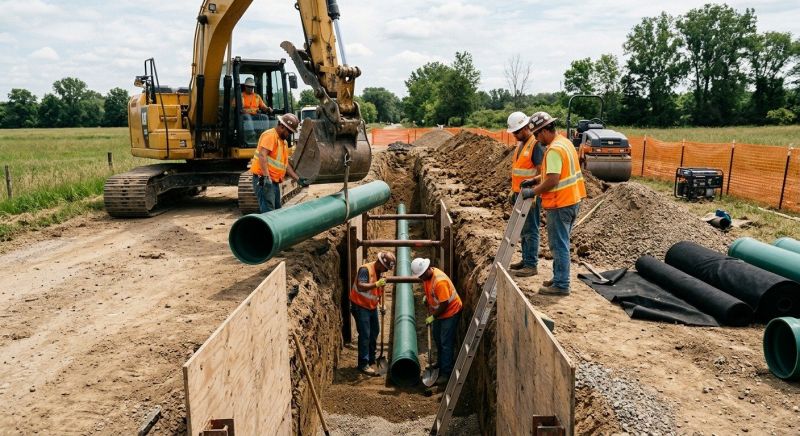
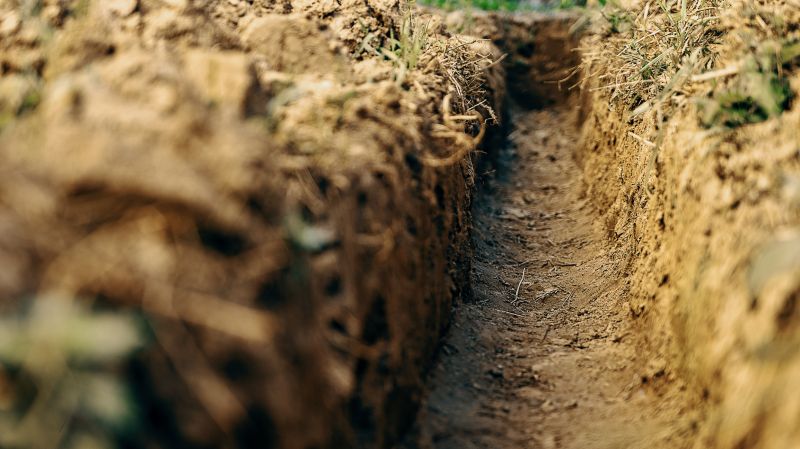
Trench installation services involve excavating narrow, deep channels into the ground to support various types of infrastructure and utility projects. These trenches are commonly used for laying underground cables, pipes, drainage systems, and irrigation lines. Property owners may request trench installation when upgrading existing utility connections or installing new systems to ensure proper functionality and safety. Before requesting trench services, it’s helpful to understand the scope of the project, including the depth and length of the trench, the type of materials being installed, and any potential obstructions or existing underground utilities that could affect the work.
Homeowners and property owners typically seek trench installation for projects such as installing new electrical or water lines, drainage improvements, or preparing for landscaping features. It’s important to consider local regulations and property layout when planning trench work, as well as any necessary permits or inspections. Clear communication about the project’s purpose and the specific requirements can help ensure the trench installation is completed efficiently and safely, aligning with the overall goals for the property.
Many property owners in Atlanta, GA look into Trench Installation for repairs, replacements, upgrades, and appearance-related improvements.
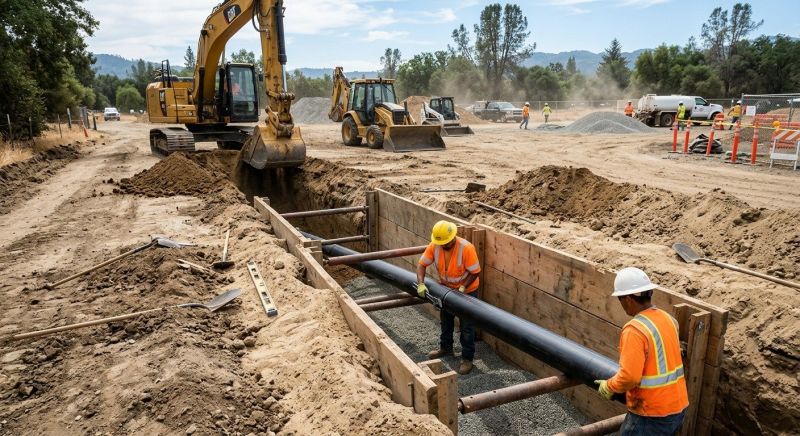
Foundation Support
Trenches are essential for installing new footings or underpinning existing foundations in atlanta properties.
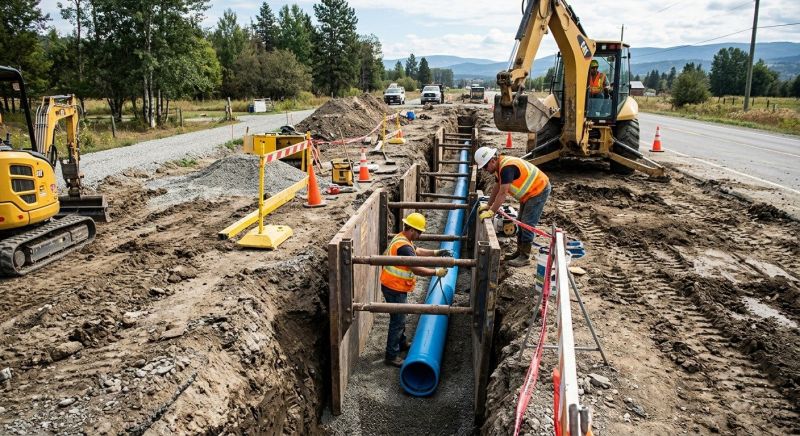
Utility Installations
Proper trenching is necessary for laying underground utilities like water lines, electrical conduits, and drainage systems.
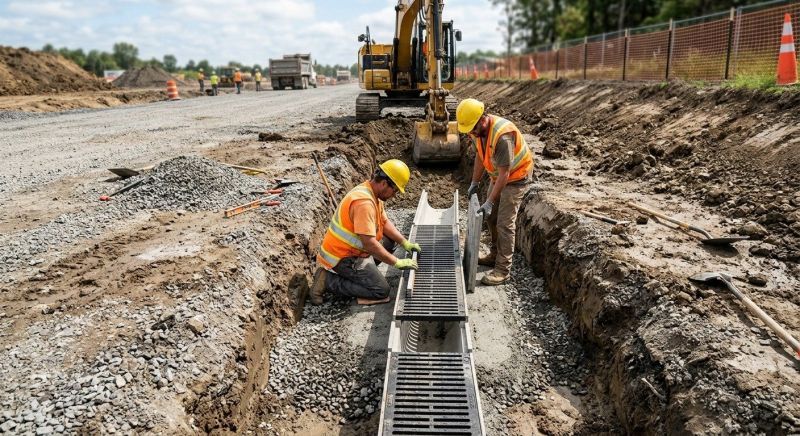
Landscaping And Drainage
Creating trenches helps manage water runoff and prepare the ground for landscaping projects around atlanta homes and businesses.
Trench Installation in Atlanta, GA

Trench installation services involve excavating narrow, deep channels into the ground to support various types of infrastructure and utility projects. These trenches are commonly used for laying underground cables, pipes, drainage systems, and irrigation lines. Property owners may request trench installation when upgrading existing utility connections or installing new systems to ensure proper functionality and safety. Before requesting trench services, it’s helpful to understand the scope of the project, including the depth and length of the trench, the type of materials being installed, and any potential obstructions or existing underground utilities that could affect the work.
Homeowners and property owners typically seek trench installation for projects such as installing new electrical or water lines, drainage improvements, or preparing for landscaping features. It’s important to consider local regulations and property layout when planning trench work, as well as any necessary permits or inspections. Clear communication about the project’s purpose and the specific requirements can help ensure the trench installation is completed efficiently and safely, aligning with the overall goals for the property.
Many property owners in Atlanta, GA look into Trench Installation for repairs, replacements, upgrades, and appearance-related improvements.
Common Trench Installation Jobs
Trench Installation Questions
What are trench installation services used for? They are commonly used to install underground utilities, drainage systems, or irrigation lines around a property.
How deep are trenches typically dug? Trenches are usually dug to the depth required for the specific utility or system being installed, often between 6 inches to several feet deep.
What type of soil conditions are suitable for trench installation? Trench installation can be performed in most soil types, but soil stability and drainage may affect the process and design.
Are there different trench styles for various projects? Yes, trenches can vary in width, depth, and shape depending on the project requirements and the type of utility being installed.
Request Trench Installation in Atlanta, GA
Use the quote form on this page to share the basics of your project and request more information for the type of work you need.